
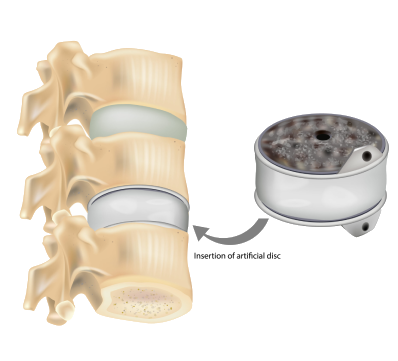

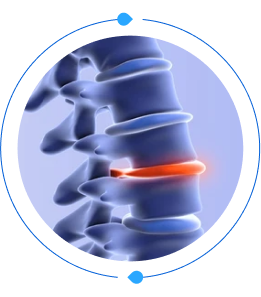
When a spinal disc slips or ruptures, pressing on nerves and causing pain, numbness, or weakness.
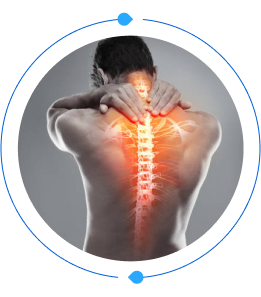
Overuse, strain, or sudden movements can tear muscle fibers, leading to stiffness and spasms.
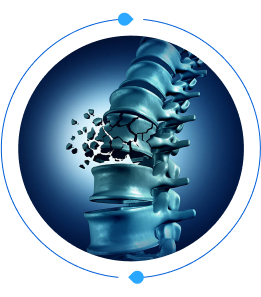
A break in the spine, often due to osteoporosis or trauma, causing sharp pain and instability.
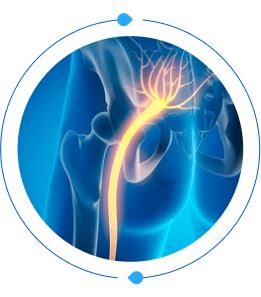
Pinched nerves from disc issues or bone spurs can trigger radiating pain, tingling, or weakness.

Overexertion or poor posture can overstretch muscles, leading to soreness and restricted movement.
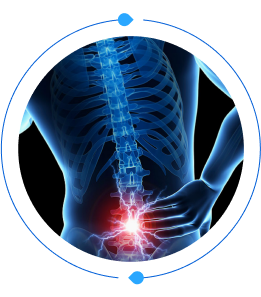
Stenosis refers to the narrowing of a passage in the body, commonly occurring in the spine. This condition can cause pressure on the nerves, leading to pain, numbness, or weakness.

Identifies fractures, misalignments, and bone abnormalities in the spine.
Provides detailed images of discs, nerves, and soft tissues to detect issues like herniations or stenosis.

Measures bone density to assess the risk of osteoporosis-related spinal fractures.

Evaluates nerve signals to detect pinched or damaged nerves causing pain or weakness.
Helps identify infections, inflammation, or underlying conditions affecting spine health.